Coğrafyanın Renkleri: Sanatta Mekanın İzleri
Coğrafyanın Renkleri: Sanatta Mekanın İzleri
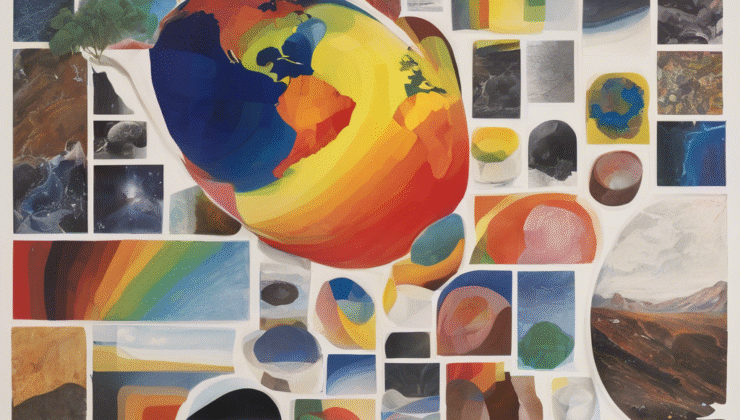
The relationship between geography and art is deeply intertwined, a symbiotic dance where the physical environment informs artistic expression and artistic interpretations shape our understanding of place. "Coğrafyanın Renkleri: Sanatta Mekanın İzleri" (The Colors of Geography: Traces of Place in Art) explores this powerful connection, delving into how landscape, climate, culture, and even political borders imprint themselves upon artistic creations. It examines how artists act as interpreters, transmuting the tangible world into visual narratives that reveal deeper truths about our relationship to the spaces we inhabit.
One significant aspect of this connection is the portrayal of landscape. Throughout art history, artists have sought to capture the essence of particular locales, from the serene beauty of pastoral scenes to the dramatic power of mountainous regions. The Hudson River School, for example, exemplifies this impulse. Painters like Thomas Cole and Frederic Church meticulously depicted the American wilderness, not merely as picturesque backdrops but as imbued with spiritual significance and symbolic of the nation’s burgeoning identity. Their sprawling canvases, filled with towering trees, cascading waterfalls, and majestic peaks, sought to evoke a sense of awe and reverence for the natural world. They understood that landscape was not simply scenery; it was a repository of history, myth, and cultural values.
Moving beyond representation, artists also utilize geographical elements as fundamental building blocks of their work. Land art, a movement that emerged in the late 1960s, demonstrates this powerfully. Artists like Robert Smithson, with his iconic "Spiral Jetty," directly intervened in the landscape, transforming natural formations into monumental sculptures. "Spiral Jetty," a massive coil of basalt rocks extending into the Great Salt Lake, is inseparable from its geographical context. The salt crystals encrusting the rocks, the fluctuating water levels, and the surrounding barren landscape all contribute to the artwork’s meaning and impact. Land art seeks to disrupt the traditional boundaries between art and environment, blurring the lines between creation and discovery.
Furthermore, climate plays a crucial role in shaping artistic expression. The harsh desert landscapes of the American Southwest, for instance, have inspired a distinct aesthetic, characterized by stark simplicity, muted colors, and a focus on elemental forms. Artists like Georgia O’Keeffe captured the desolate beauty of the New Mexico desert, abstracting its bone-dry mesas and sun-bleached skulls into powerful symbols of resilience and the enduring power of nature. Similarly, the vibrant colors and lush vegetation of tropical regions have inspired countless artists to create works filled with vibrant hues and intricate patterns. From the paintings of Henri Rousseau, inspired by his imagined jungles, to the contemporary installations of Ernesto Neto, using natural materials like spices and plants, the climate directly influences the sensory experience of art.
Cultural geography, the study of the interplay between culture and space, is another crucial lens through which to understand the relationship between art and geography. Art often reflects the values, beliefs, and social structures of a particular place. Folk art, for example, is deeply rooted in local traditions and customs, often utilizing indigenous materials and techniques to create objects that serve both practical and aesthetic purposes. The intricate weaving patterns of indigenous cultures, the colorful pottery of traditional villages, and the expressive masks used in ritualistic ceremonies all embody the unique cultural identity of a specific place. By studying these forms of art, we gain valuable insights into the lives and perspectives of the people who create them.
Moreover, the impact of urbanization and industrialization on the landscape has become a recurring theme in contemporary art. Artists often grapple with the consequences of human intervention in the environment, depicting the pollution, deforestation, and social inequalities that result from rapid development. Photographers like Edward Burtynsky document the devastating effects of mining and manufacturing on the landscape, presenting stark images of environmental degradation that challenge viewers to confront the ethical implications of our consumption habits. Sculptors like Mel Chin repurpose discarded materials from urban environments, creating installations that raise awareness about waste management and the need for sustainable practices.
Political geography, too, leaves its indelible mark on art. Borders, both physical and metaphorical, become sites of contestation and negotiation in artistic expression. The Berlin Wall, for example, served as a canvas for graffiti artists who used their art to express dissent and challenge the oppressive regime. The wall itself became a symbol of division, but the art that adorned it represented a defiant spirit of resistance. Contemporary artists often explore the themes of migration, displacement, and identity in relation to political boundaries, using their art to critique restrictive immigration policies and advocate for the rights of refugees and marginalized communities.
The use of cartography in art further highlights the relationship between geography and artistic creation. Artists often incorporate maps and other geographical representations into their work to explore themes of place, identity, and power. Jasper Johns, for instance, famously incorporated maps of the United States into his paintings, challenging viewers to reconsider their understanding of national identity and the shifting boundaries of the American landscape. Contemporary artists utilize digital mapping technologies and data visualization techniques to create interactive installations that allow viewers to explore geographical information in new and engaging ways.
In conclusion, "Coğrafyanın Renkleri: Sanatta Mekanın İzleri" demonstrates how geography serves as both a source of inspiration and a subject of inquiry for artists. From the depiction of picturesque landscapes to the exploration of complex environmental issues, art provides a powerful lens through which to understand our relationship to the world around us. By engaging with art that explores geographical themes, we gain a deeper appreciation for the beauty, complexity, and fragility of the places we inhabit. The artistic interpretations of space not only reflect our world but also shape our perceptions, ultimately influencing how we interact with and protect our planet.



 News
News