Last Updated on Ağustos 2, 2025 by EDİTÖR
Anthropogenic Climate Change: Effects on our planet
A heated planet: atmospheric changes and temperature increases
Anthropogenic (human -based) climate change is primarily characterized by the dramatic increase in greenhouse gas concentrations in the atmosphere. Since the Industrial Revolution, the burning of fossil fuels such as coal, oil and natural gas has led to the accumulation of greenhouse gases such as carbon dioxide (CO2), methane (CH4) and nitrous oxide (N2O) in the atmosphere. These gases hold the heat from the Sun, causing the surface of the planet to heat up.
CO2 is the greenhouse gas that remains the longest for the atmosphere and contributes to global warming. With the burning of fossil fuels, processes such as cement production and forests increase CO2 emissions. The methane is a stronger greenhouse gas than CO2, but it remains shorter in the atmosphere. Agriculture (especially rice cultivation and animal breeding), natural gas leaks and swamps are the main sources of methane emissions. Nitrous oxide is caused by fertilizer use, burning of fossil fuels and industrial processes and contributes to both global warming and thinning of the ozone layer.
This increase in greenhouse gas emissions has led to a significant increase in global average temperatures. In the last decades, the hottest years have been experienced and this warming tendency continues. In particular, the Arctic region warms at a speed of twice the global average, which causes melting of glaciers and sea ice and rise in sea level.
Rise of sea level: threat to coastal ecosystems and communities
One of the most important results of global warming is the rise of sea level. The main reasons for this ascension are the melting of glaciers and ice covers and expanding with the heating of water (thermal expansion). The melting of Grendi and Antarctica ice covers significantly contributes to the rise of sea level.
The rise of sea level poses serious threats to coastal ecosystems and communities. Cities and islands in low regions face the risk of being underwater. The infiltration of salt water to fresh water resources can cause drinking water scarcity and inefficiency of agricultural land. Coastal erosion increases and the infrastructure (roads, buildings, ports) in the coastal strips can be damaged.
Coastal ecosystems such as mangrvlar, salt swamps and coral reefs are at risk of disappearing with the rise of sea level. These ecosystems create natural barriers against storm fluctuations, provide a living space for fish and other sea creatures and have carbon storage capacity. The loss of these ecosystems causes a decrease in biological diversity and an increase in the vulnerability of coastal communities.
The effects of climate change on agriculture and food safety
Climate change leads to a number of factors that adversely affect agricultural efficiency and food safety. Temperature increases, droughts, floods, excessive weather events and changing precipitation patterns prevent plant growth, reduce product efficiency and threaten animal health.
Droughts adversely affect agricultural production, especially in regions where water resources are limited. Water scarcity causes stress of plants, growth rates and decrease in product efficiency. Floods destroy crops and agricultural land, increase soil erosion and pollute water resources.
Excessive weather events (severe storms, hurricanes, hoses) damage agricultural land, destroy crops and prevent harvesting. Changing precipitation schemes make it difficult to meet the needs of plants for water and reduce the effectiveness of irrigation systems.
Climate change also facilitates the spread of harmful insects and plant diseases, which damages the crops and increases agricultural production costs.
Pressure on water resources: droughts, floods and water quality
Climate change increases pressure on water resources. While droughts lead to water scarcity, floods can pollute water resources and damage water treatment plants. Changing rainfall makes it difficult to predict when and where the water will be found.
The melting of glaciers is an important threat, especially for water resources in mountainous regions. Glaciers regulate water flow in dry seasons and provide water source for millions of people. With the melting of the glaciers, these water resources decrease and the risk of drought increases.
The rise of sea level causes salt water to fresh water sources, which can lead to drinking water scarcity and inefficiency of agricultural land. Excessive weather events damage the water infrastructure and may disrupt water distribution.
Effects on ecosystems and biodiversity: Destruction of species and loss of habitat
It adversely affects climate change, ecosystems and biodiversity. Temperature increases, changing precipitation and excessive weather events change the distribution of plant and animal species, destroy habitats and increase the risk of extinction of species.
Coral reefs are one of the most affected by climate change. The increase in the ocean acidization (the absorption of CO2 in the atmosphere by the oceans) and the increase in sea water temperatures causes corals to bleach and die. Mercan reefs are home to about one quarter of marine creatures and are an important source of income for coastal communities. The loss of coral reefs causes a decrease in biodiversity and an increase in the vulnerability of coastal communities.
Forests are another important ecosystem affected by climate change. Drought, forest fires and insect epidemics cause destruction of forests. It provides important ecological services such as forests, carbon storage, regulation of water cycle and protection of biodiversity. The loss of forests accelerates global warming and causes a decrease in biodiversity.
Effects on human health: heat waves, air pollution and spread of diseases
Climate change has various negative effects on human health. The spread of heat waves, respiratory diseases, water and food -induced diseases and vector -caused diseases are the main effects of climate change on human health.
Heat waves can be fatal especially for those with elderly, children and chronic illnesses. Temperature increases exacerbates respiratory diseases (asthma, bronchitis) and increases the risk of heart disorders.
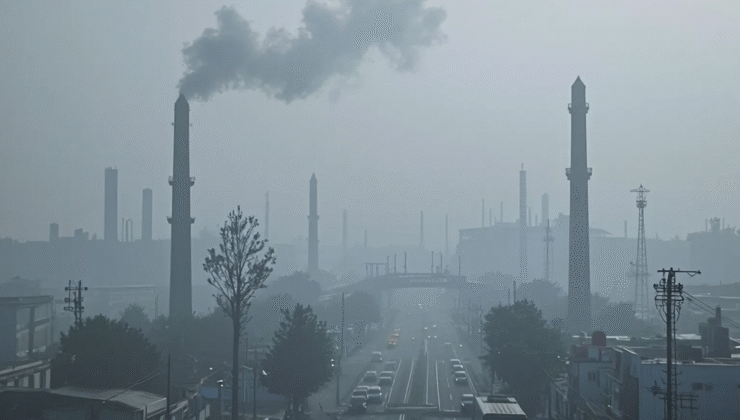
Climate change can increase air pollution. Forest fires and droughts cause the release of particles and other pollutants to the air. Air pollution can cause respiratory diseases and heart diseases.
Changing climatic conditions facilitate the spread of vector -induced diseases (malaria, dang fever, zika virus). Mosquitoes, ticks and other vectors can spread to wider areas and survive longer.
Diseases caused by water and food may increase with climate change. Floods can pollute water resources and cause epidemics. Temperature increases accelerate the deterioration of foods and increase the risk of food poisoning.


 News
News