2017 yılında, Antarktika’nın Batı Weddell Denizi’ndeki Larsen C Buz Sahanlığından bir buzdağının mutlak bir birimi buzağılandı. Shackleton’ın kayıp gemisinin aranmasında önemli bir arama alanı olan bu uzak bölgeye benzeri görülmemiş bir erişim sağladı. Dayanıklılık.
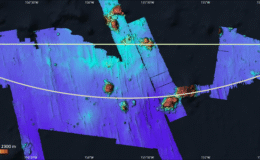
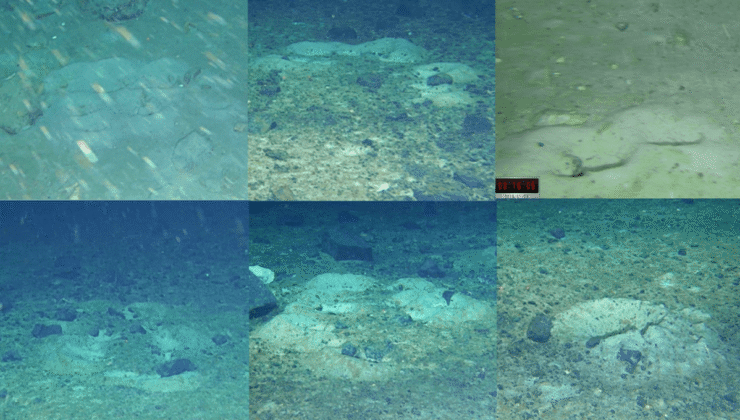
Bilim insanları 2019 yılında uzaktan kumandalı bir aracı araştırma için gönderdiklerinde gemiyi bulmayı umuyorlardı. Bunun yerine deniz tabanı boyunca tuhaf çukurcuklar keşfettiler.
Daha ileri araştırmalar, bunların 1000’den fazla olduğunu ortaya çıkardı. Suçlu mu? Buz balığı yuvaları, yüzlercesi.
Gizemli işaretler
“Başlangıçta onlar bizi şaşırtmıştı!” bahsedilen çalışmanın yazarı Russ Connelly Essex Üniversitesi’nden IFLScience’a. “Gemide, etrafı saran yeşil fitoplankton halıyla bariz bir tezat oluşturan, çok net ve temiz olan kumdaki çukurların ne olabileceği konusunda hararetli tartışmalar yaşandı.”
Kumdaki çukurlar rastgele konumlandırılmamış, bunun yerine çökelti boyunca düzenli bir düzende düzenlenmiştir. Bunun iyi bir nedeni olduğu ortaya çıktı.
These fish adhere to a kind of “selfish herd theory” in which nests in the middle are protected from predation, while nests at the edge of the group are typically owned by the biggest, strongest fish that have the best chance of protecting themselves. The subsequent organization was what gave the game away.
Their size and uniform shape, as well as the presence of fish nearby, meant that these were recognised as maintained fish nests.
Russ Connelly
“We considered them being foraging marks,” added Connelly, “but their size and uniform shape, as well as the presence of fish nearby, meant that these were recognised as maintained fish nests.”
The makers of the marks are icefish, specifically a type of rockcod known as the yellowfin notie (Lindbergichthys nudifrons). They are remarkable fish, but not quite as weird as the closely-related clear-blooded icefish that are the only known vertebrates to lack hemoglobin.
Cracking open an ice shelf
The iceberg that had to move out of the way to make all of this possible is known as the A68 iceberg, and it was enormous. Measuring 5,800 square kilometers (2,239 square miles), it was a tabular iceberg about twice the size of Luxembourg that was the largest iceberg on Earth when it formed, and the sixth biggest iceberg on record.
Before it calved in 2017, there would have been 200 meters (656 feet) of ice preventing scientists from getting a look at what was going on underneath. As for how long it’s been since this area of the ocean was exposed to the surface? “Unfortunately, we do not know,” said Connelly. “Unlike Larsen A and B, no studies have yet reconstructed Holocene exposure history for the Larsen C sector.”
The Weddell Sea: A marine protected area?
There’s a big push underway to get the Weddell Sea protected area status, and this discovery of icefish nests add weight to the argument. It’s evidence that despite the chilly waters, this part of the ocean hosts an abundance of marine life that’s an integral part of the Antarctic food web.
“The Weddell Sea is changing rapidly,” says the Antarctic and Southern Ocean Coalition. “Warmer, windier weather is affecting sea ice and other ocean habitats, putting pressure on finely balanced ecosystems to adapt. Despite this, the Weddell Sea is not fully protected.”
“In 2018, Germany proposed the Weddell Sea marine protected area (MPA) to the nations charged with protecting the Southern Ocean. It would offer protection to 790,000 square miles (over 2 million square kilometers) of virtually untouched marine wilderness, including extremely rare and vulnerable polar habitats.”
Shackleton’ın “kayıp” gemisi, artık kaybolmadı
Buz balığı yuvalarının keşfedildiği sırada Shackleton’ın “kayıp” gemisini arama çalışmaları hâlâ devam ediyordu. “Kayıp” diyorum çünkü o zamandan beri bulundu.
1915 yılında batan Dayanıklılık Bulundu Ünlü kaşifin ölümünden 100 yıl sonra. Weddell Denizi’nin dibindeki soğuk sular, Dayanıklılıkmükemmel durumda bırakıyor. Ekteki (ve şaşırtıcı) fotoğraflarda, gemide görülen birkaç yeni mürettebat arkadaşı da vardı. Antarktika deniz anemonları (direksiyondaki biri dahil), deniz fışkıranları, deniz yıldızları ve krinoidler.
Ünlü bir gemi enkazını bulmaktan daha iyi olan tek şey nedir? Yol boyunca derin deniz gizemini de keşfedeceksiniz.


 News
News